Best Age to Claim Social Security

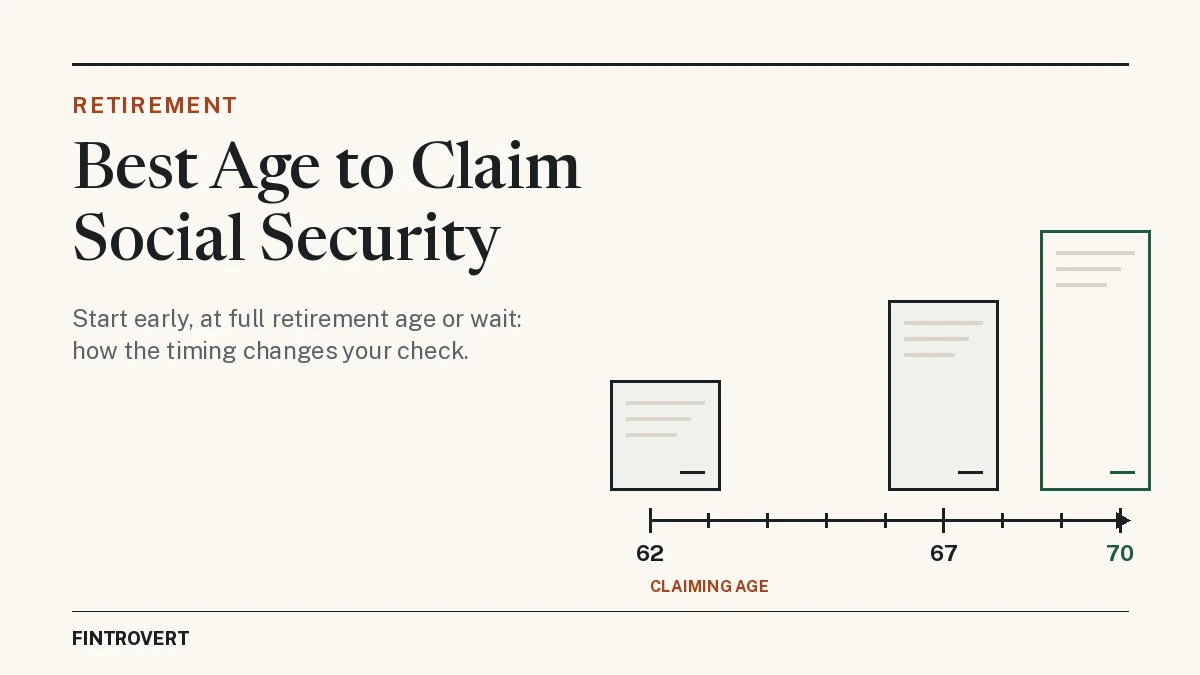
Line illustration of a timeline from age 62 to 70 with three benefit checks that grow taller at 62, 67 and 70, beside the title Best Age to Claim Social Security.

Deciding when to start Social Security is one of the biggest money choices most people make in retirement, and you usually only get to make it once. You can start as early as 62 or wait as late as 70, and the monthly check can differ by more than 75% depending on when you claim. … Read more
How Social Security Benefits Are Calculated

Line illustration of a blank card-style document beside a rising five-step staircase, next to the title How Social Security Benefits Are Calculated.

Your Social Security check isn’t a random number, and it isn’t based on your last paycheck either. It comes out of a formula the Social Security Administration (SSA) applies to your whole work history. Once you see the steps, the math is pretty manageable. This guide walks through each piece of the Social Security benefits … Read more

Best Ways to Pay Off Credit Card Debt

Featured image for "Best Ways to Pay Off Credit Card Debt": the headline beside a simple line drawing of three stacked credit cards and a green arrow pointing down, suggesting a falling balance.

Credit card debt has a way of sticking around. You make a payment, interest gets added, and the balance barely moves. The good news is that there are proven ways to pay off credit card debt faster, and most of them cost nothing but a plan and some follow-through. This guide walks through the main … Read more

Required Minimum Distributions (RMDs) Explained

Line illustration of a calendar with one date circled and a piggy bank with coins flowing out, beside the title Required Minimum Distributions (RMDs) Explained.

You spend decades putting money into tax-deferred retirement accounts. At some point, the IRS wants its share, and that’s where the required minimum distribution comes in. This guide covers when RMDs start, how to figure yours with the IRS table, the deadlines that trip people up, what happens if you miss one, and a few … Read more

How Much House Can I Afford on $100k?

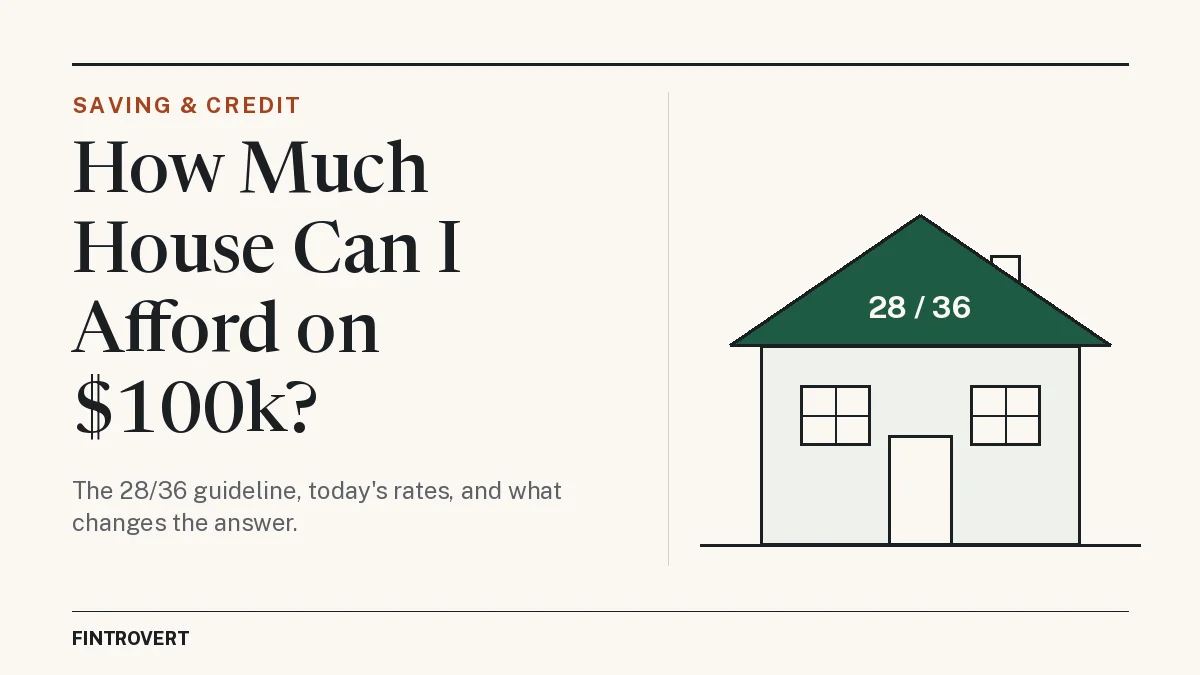
Featured image for "How Much House Can I Afford on $100k?": the headline beside a simple flat line drawing of a house with a green roof labeled 28/36, the debt-to-income guideline the article explains.

If you earn $100,000 a year, lenders will probably approve you for more house than you’d guess. Whether you should borrow that much is a separate question. This guide shows how to work out how much house you can afford using the debt-to-income ratios lenders use, then runs the numbers on a $100,000 salary so … Read more

Index Funds vs ETFs: A Beginner’s Guide

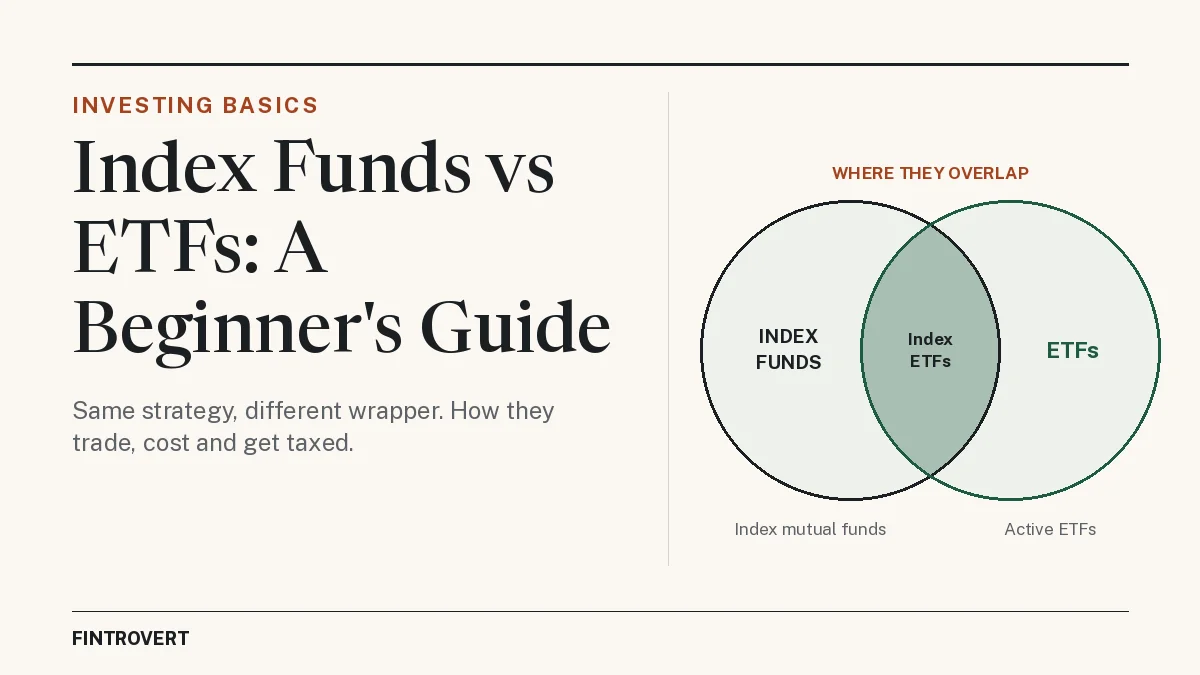
Featured image for "Index Funds vs ETFs: A Beginner's Guide": the headline beside a simple two-circle diagram. One circle is labeled index funds, the other ETFs, and the overlap is labeled index ETFs, with index mutual funds and active ETFs noted on the outer edges.

If you’re starting to invest, you’ll run into the question of index funds vs ETFs almost right away. The two get mentioned in the same breath so often that they can sound like rival products. They aren’t, exactly. An index fund describes a strategy, and an ETF describes a way a fund is built and … Read more

Roth Conversion Explained, With Tax Examples

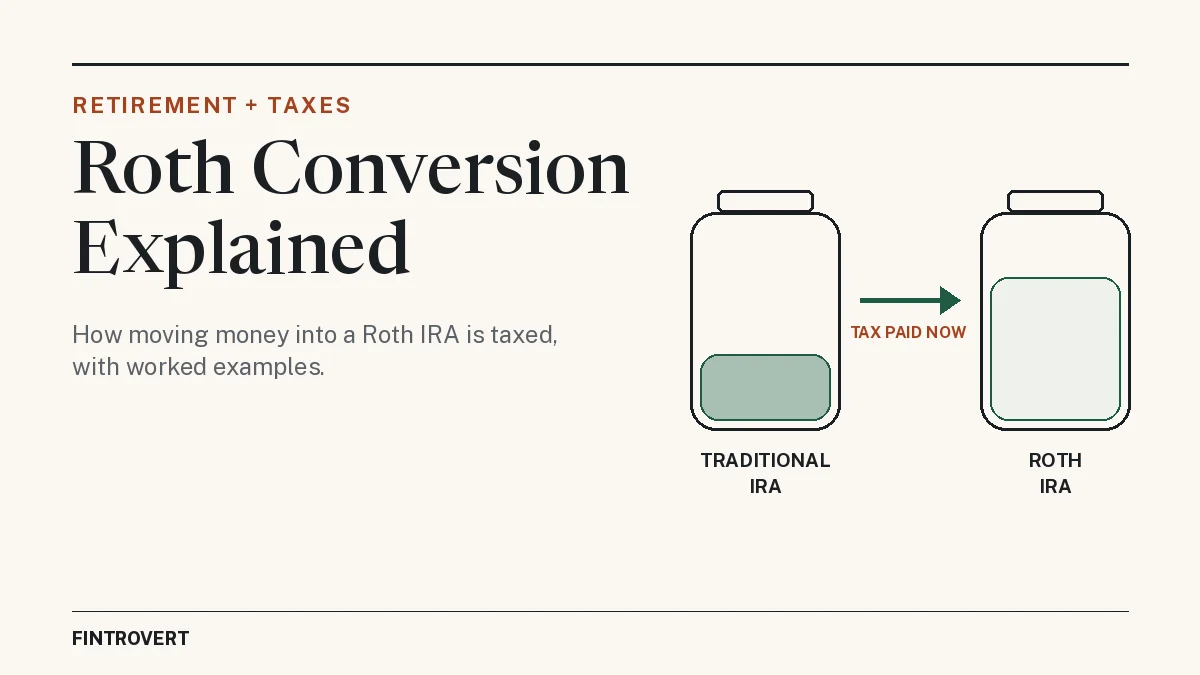
Line illustration of money moving by arrow from a jar labeled Traditional IRA to a jar labeled Roth IRA, with the note 'tax paid now', beside the title Roth Conversion Explained.

A Roth conversion means moving money from a traditional IRA (or a SEP or SIMPLE IRA) into a Roth IRA. You pay income tax on the converted amount now. In return, qualified withdrawals from the Roth later are tax-free. Whether that trade makes sense depends mostly on your tax bracket today compared with the bracket … Read more